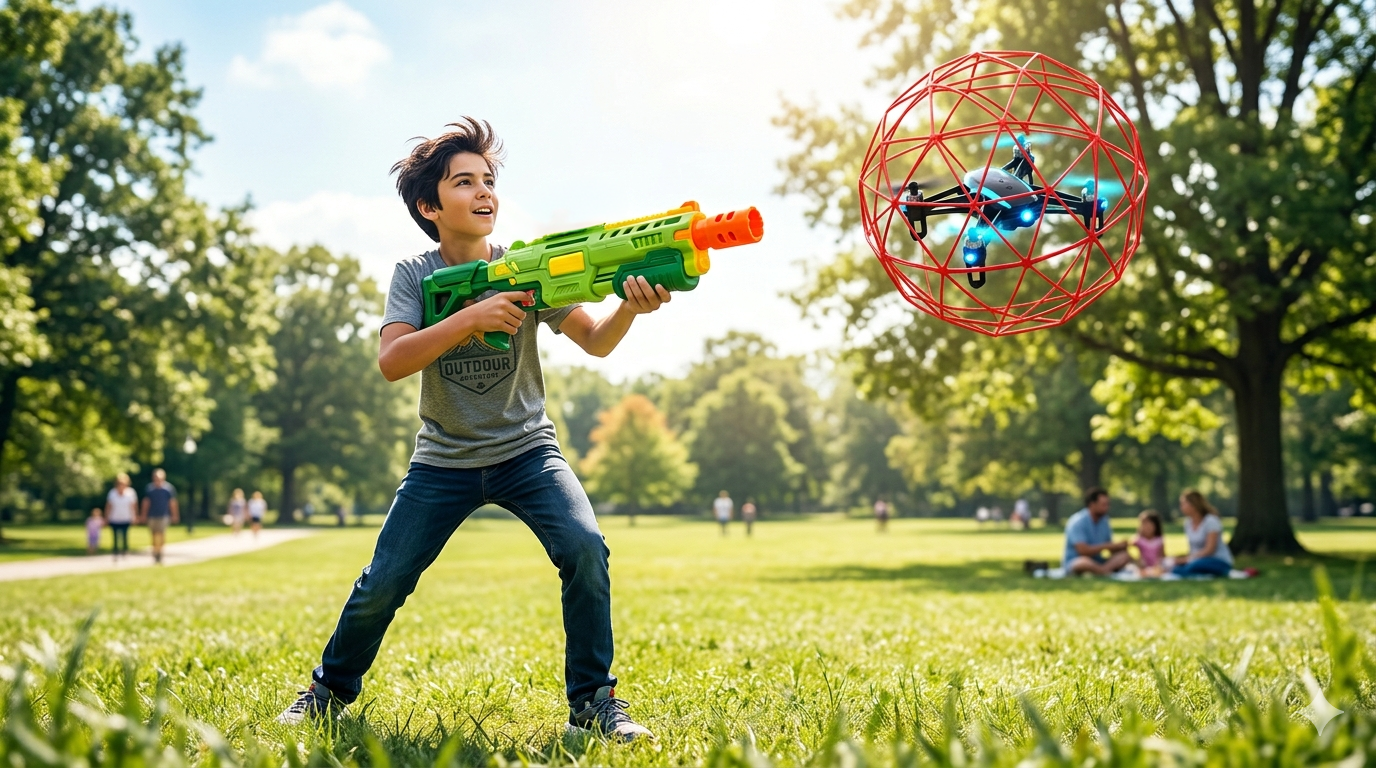
A portable, owned-and-operated drone-shooting attraction. Real drones fly as moving targets; an electronic controller and computer-vision scoring register hits in real time — no live ammunition, no instrumented range.

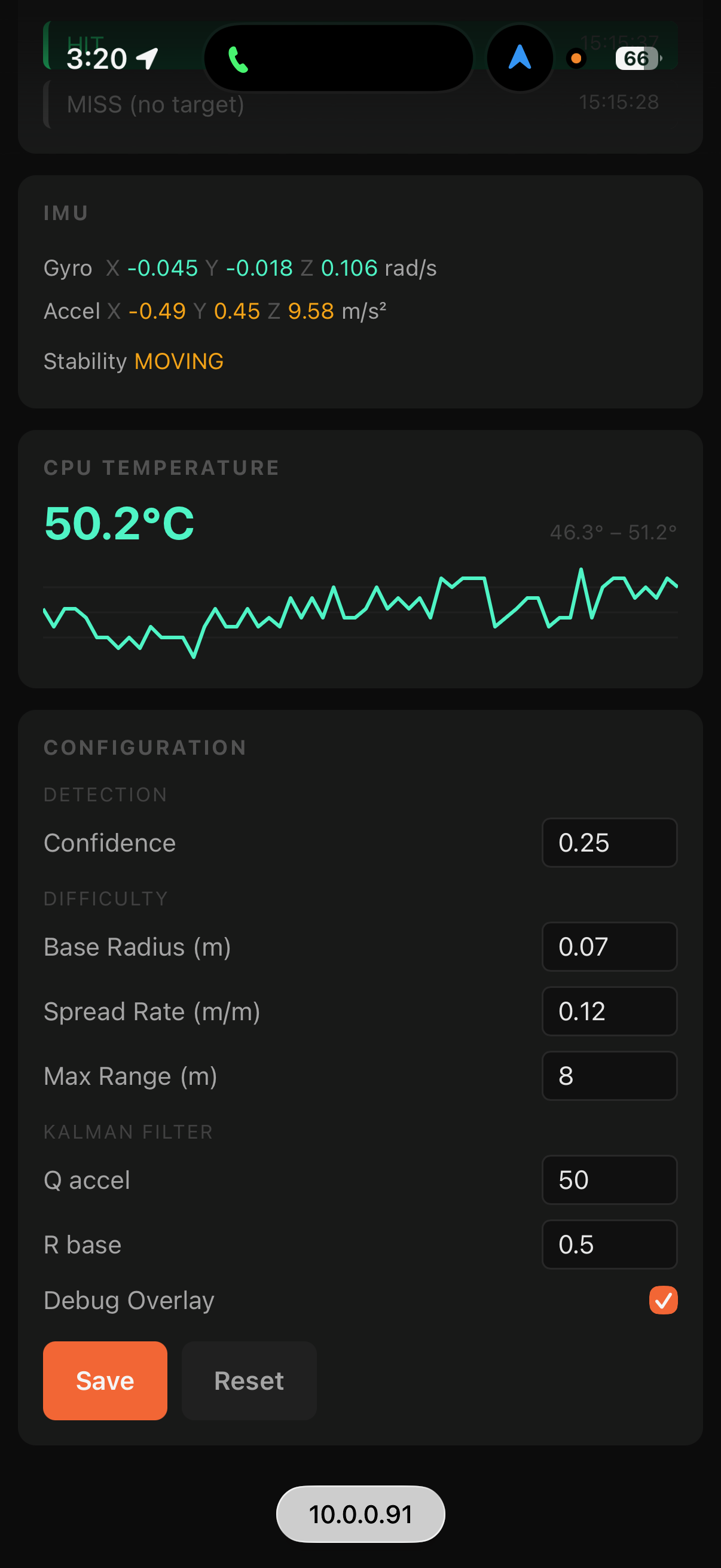
A handheld electronic controller (no projectiles): ESP32-S3 compute, dual positioning (indoor UWB + outdoor GNSS), a 9-axis IMU, trigger sensor, and a haptic feedback actuator, in an ergonomic rifle form factor. An onboard vision pipeline resolves hits in real time.
Drone Shooter concept / splash clip (embedded from Google Drive).
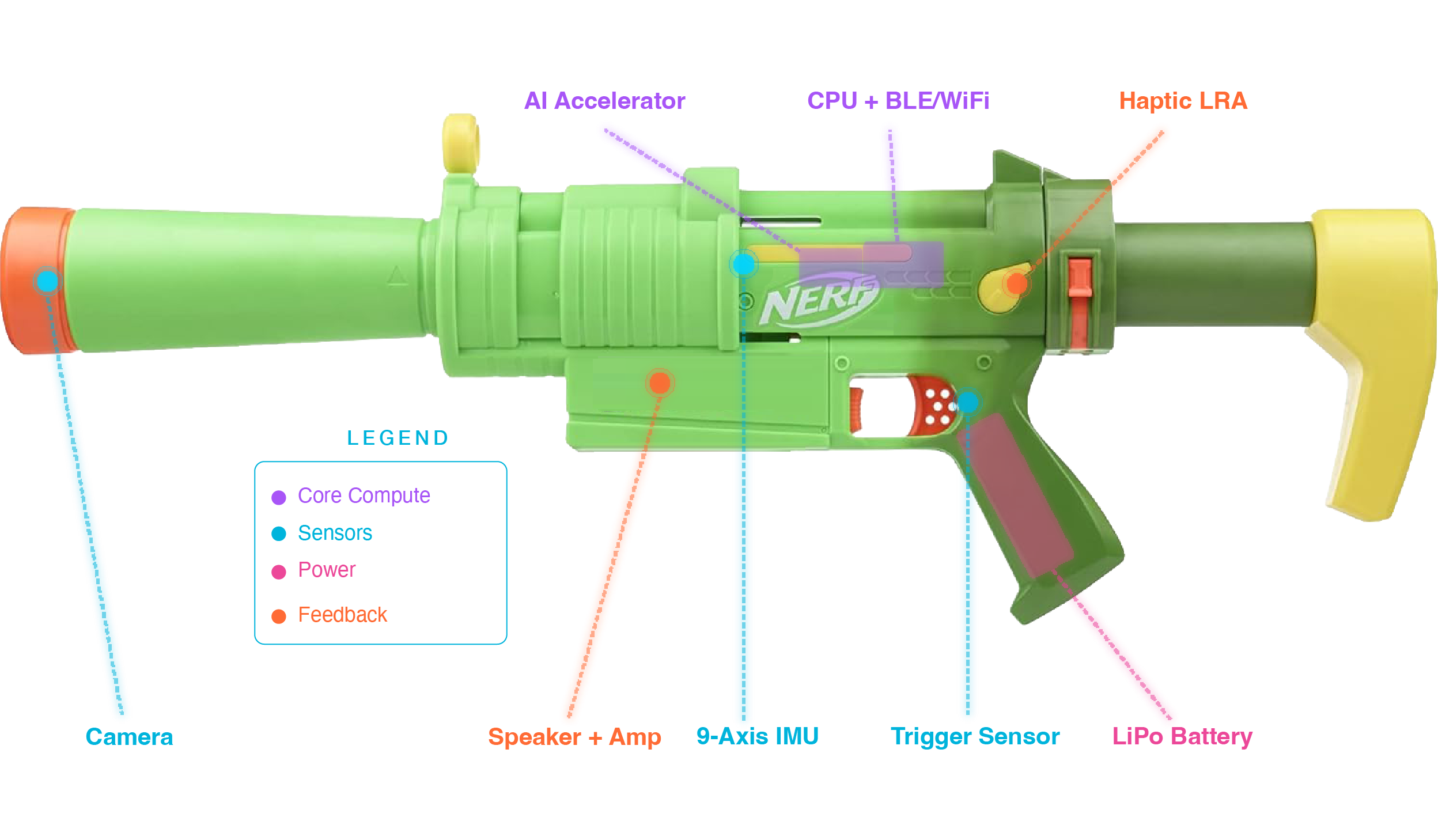
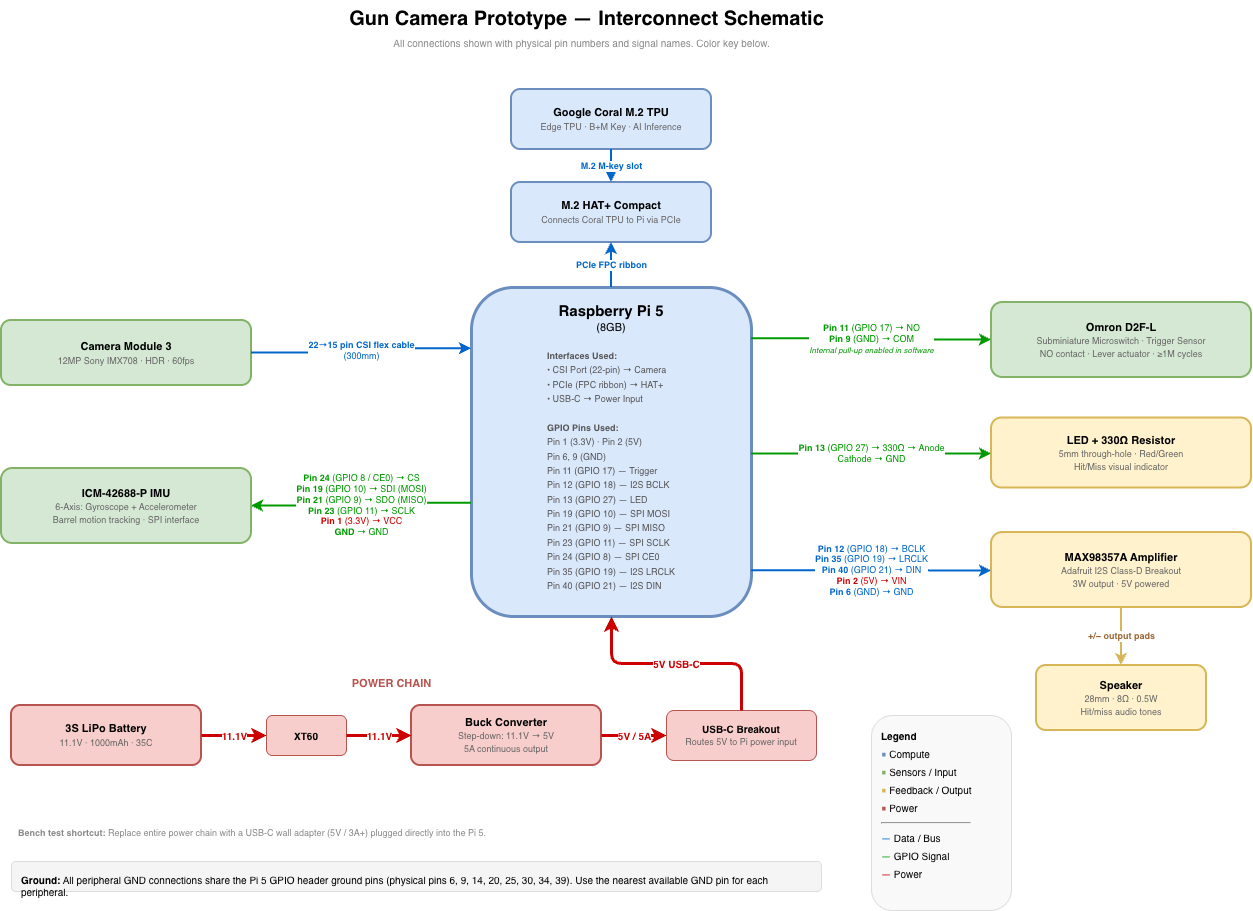
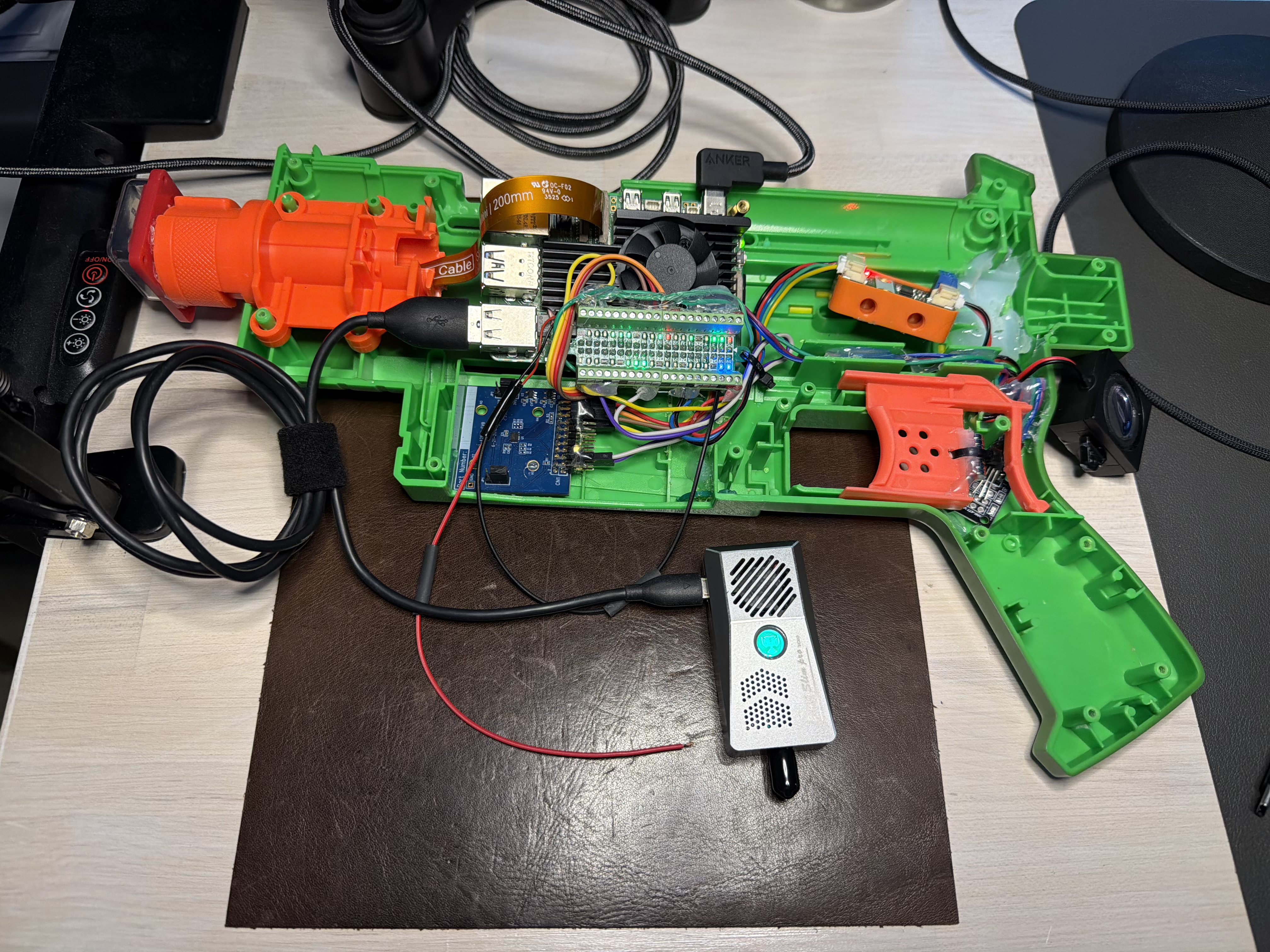
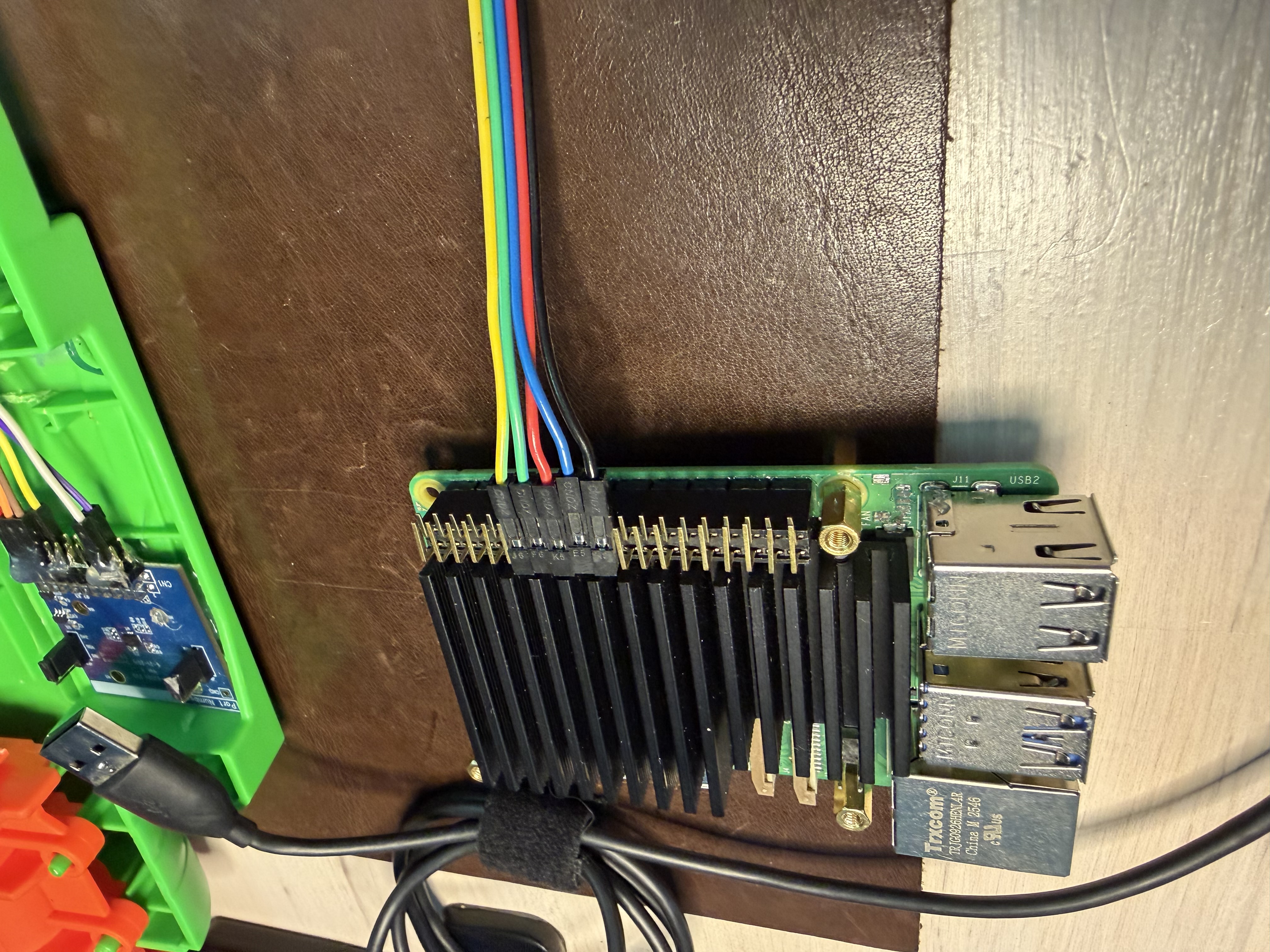
The embedded hardware inside the controller — a Raspberry Pi 5 compute module, radio transceiver, sensors, and custom wiring — handles positioning, trigger sensing, and feedback in the handheld unit.


Latest bench builds — click any image to enlarge.
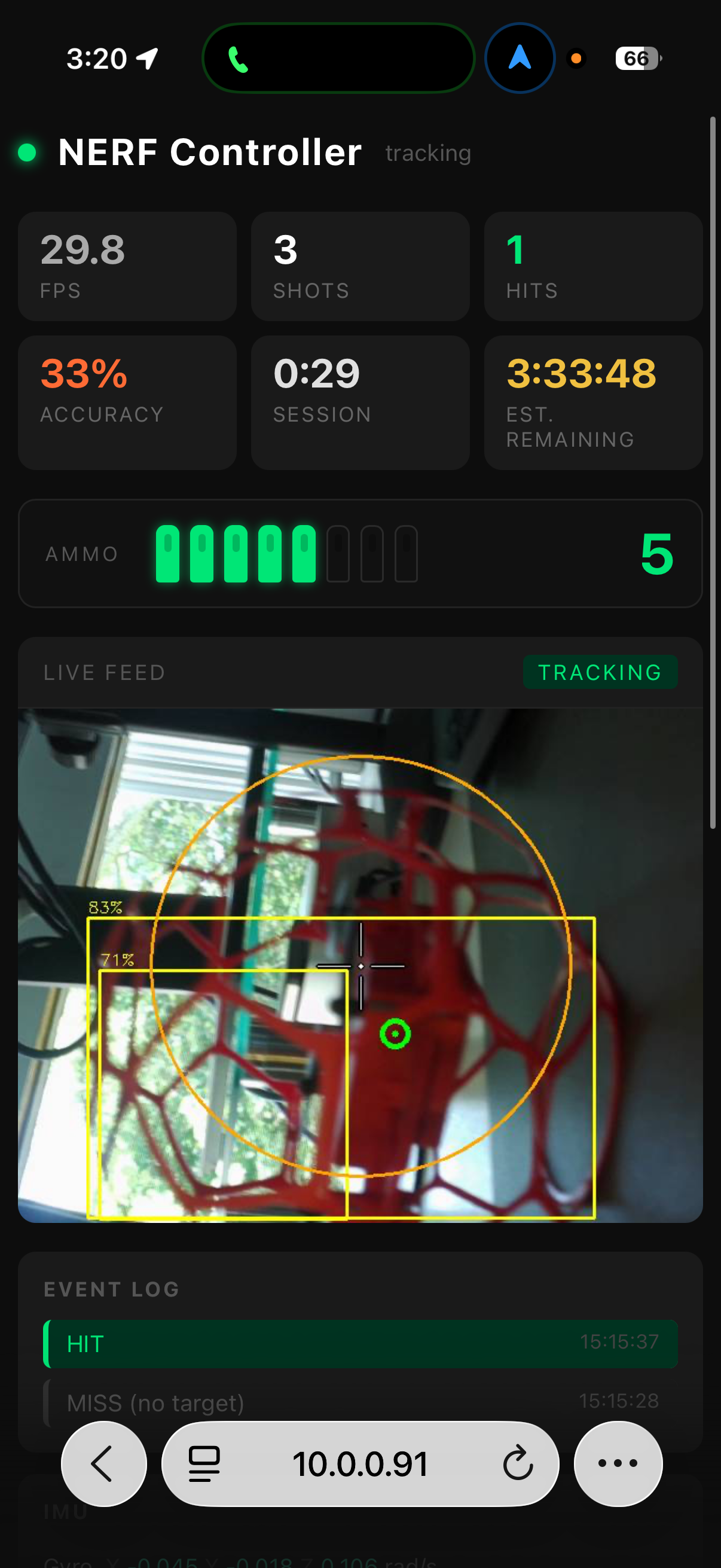
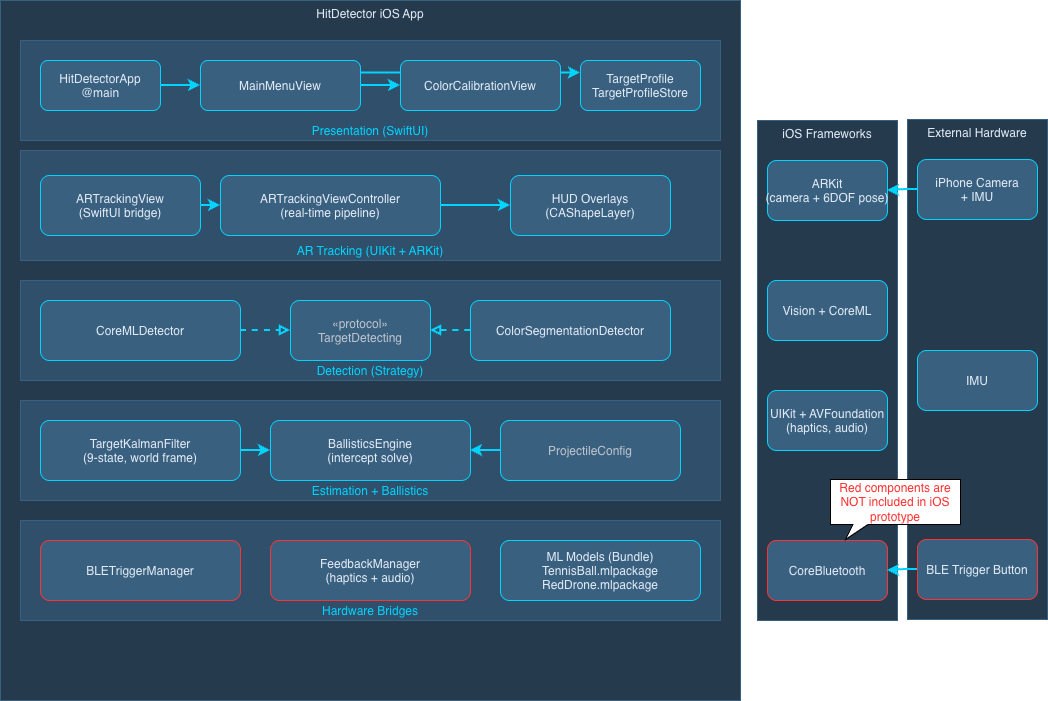
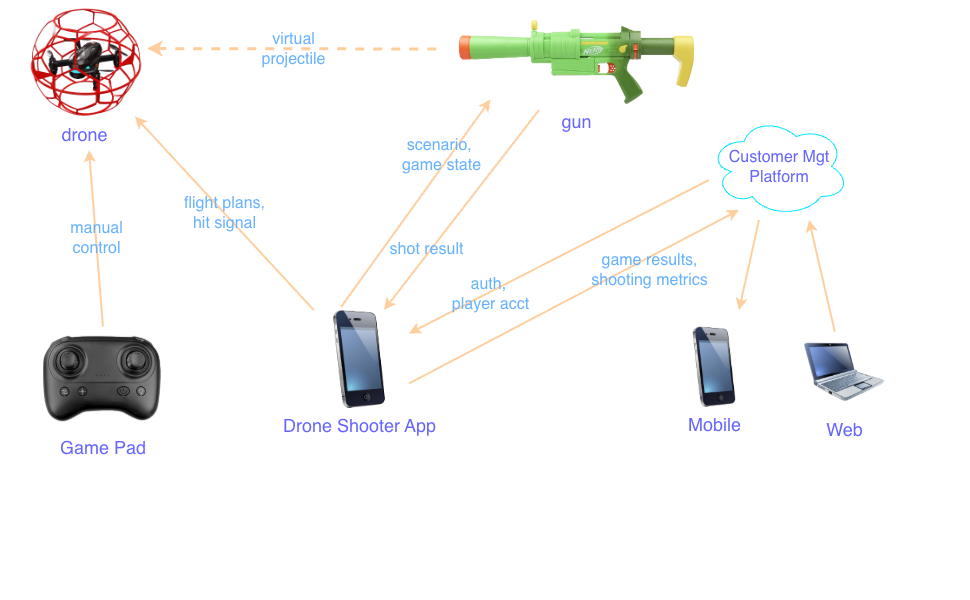
On the iOS side, the app runs the computer-vision hit-detection pipeline: it locates the target drone in the camera frame and registers a hit in real time. The diagram below shows the hit-detection system; the clips show it running against real drones in the field.
Computer-vision hit detection on real drones (annotated) — embedded from Google Drive.
Airena’s drones come from our partnership with Advanced Aerodynamics (AA), a pioneer in safe, crash-resistant flight. The partnership gives us aircraft purpose-built to play around people:
Ultra-lightweight (≤250g) airframes qualify for FAA Category 1 operations over people — no waiver required.
Protected, low-mass designs are built to fly in close quarters with guests, indoors and out.
AA’s patented frame lets a drone fall out of the sky when “hit,” bounce off the ground, and take right back off — so a hit is part of the fun, not a broken aircraft.
AA’s pedigree runs deep: their Orb was named CNN Money’s Hot Product of the Year in 2012, and their dome-shaped frame design has become a standard for inspection drones. Their aircraft have sold at Costco and other major retailers.
An AA drone returns to the air regardless of how it hits the ground.
The full system runs today as a software-in-the-loop simulator: a MAVROS2 ground-control station with mission planning and sensor fusion drives a PX4 flight controller, with real-time scoring and hit detection. Most components transfer directly to production hardware, and the platform auto-resets between sessions.